AR Virtual Projector on iOS

Rapid Augmented Reality using CityEngine, 3D Max and Lumion

By 3D Modelling

AR-Media is one of the quickest ways to get started in Augmented Reality. The system is free for non commercial use and offers plugins for 3D Max, SketchUp and others with players running on iOS/Android and desktop devices via a webcam. The plugin used to be £100 + but the move to enhanced functionality and free for non commercial use makes it the first place to explore AR.

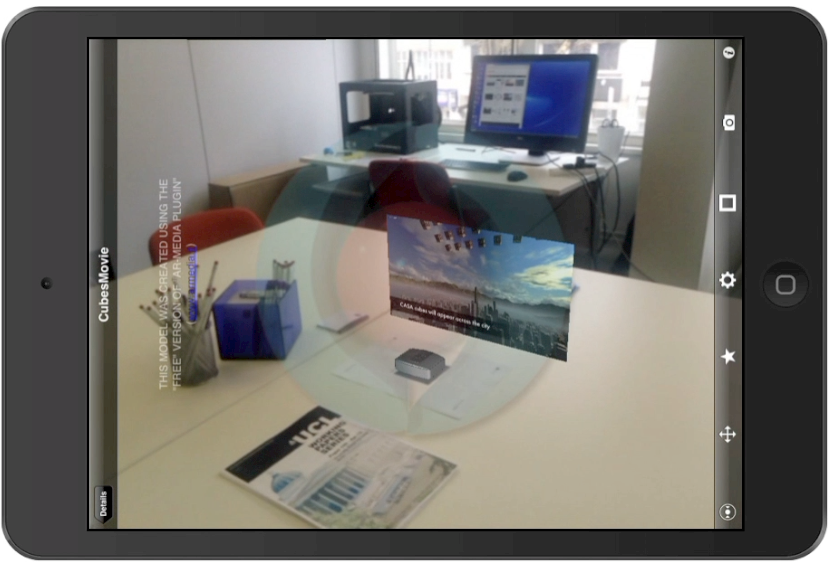
AR Virtual Projector on iOS

AR Virtual Projector on iOS

The plugin not only allows us of 3D models and animations but also movies and audio – the clip below demonstrates two example models we have built using AR Media, visualised using the AR Media player on iOS with models uploaded via DropBox:
Mixing AR Tags with 3D Max, CityEngine and Lumion opens up a lot of possibilites for rapid visualisation – head over to AR Media to download the various plugins required.

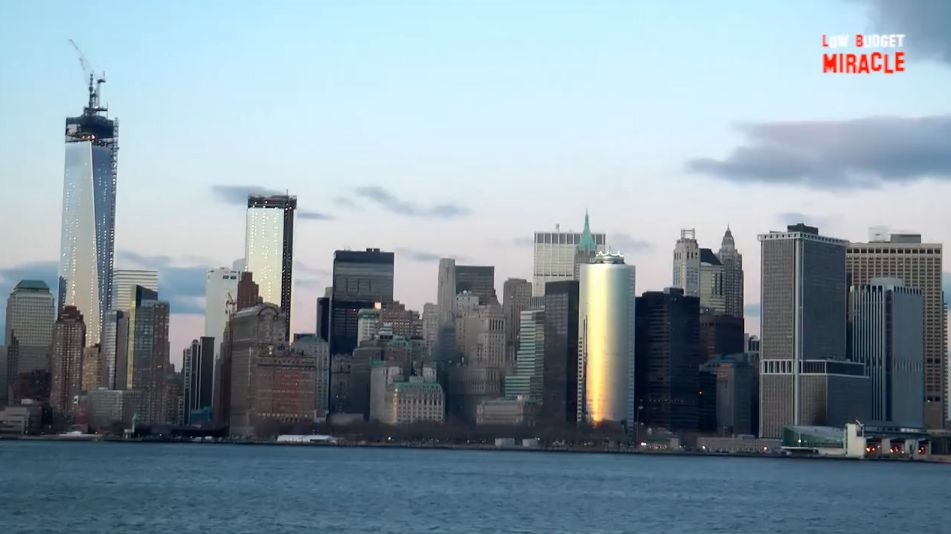
New York Frame Still

Timelapsing/Warping in New York City

By City Timelapse

Timelapsing/warping is a series of techniques that when combined can create unique view of the urban scene.

New York Frame Still

New York Frame Still

Daniele Quatrini of http://www.lowbudgetmiracle.it/ (seems to be under construction) have used a variety of timelapse/warps clips set to ‘An Open Letter to New York’ by The Beastie Boys to create the movie below:
Timelapsing/warping in New York City from Daniele Quatrini on Vimeo.

The mix of clips and the choice of scenes make for a view of New York beyond the normal city timelapses – we now have a dedicated thread to view all the urban timelapse movies on digital urban

CASA Working Paper 190 - Visualising Spatial and Social Media

Visualising Spatial and Social Media – Working Paper 190 from the Centre for Advanced Spatial Analysis

By Working Paper

Visualising Spatial and Social Media – Working Paper 190 from the Centre for Advanced Spatial Analysis  University College London is now available to download.
Authors – Michael Batty, Steven Gray, Andrew Hudson-Smith,  Richard Milton, Oliver O’Brien and Flora Roumpani , Centre for Advanced Spatial Analysis, University College London.
CASA Working Paper 190 - Visualising Spatial and Social Media

CASA Working Paper 190 – Visualising Spatial and Social Media (pdf)

Abstract 
In this working paper we begin by surveying the development of computer graphics as it  has influenced the development of the spatial representation of social and economic data, charting the history of computer cartography and geographic information systems (GIS) which have broadened into a wide array of forms for scientific visualisation. With the advent of the World Wide Web and the widespread adoption of graphical user interfaces (GUIs) to most kinds of computer device, visualisation has become central to most sciences and to the dissemination of many kinds of data and information. We divide our treatment of this domain according to three themes.
First we examine how the 2-dimensional map has become key to many kinds of spatial representation, showing how this software has moved from the desktop to the web as well as how 2-d has moved to 3-d in terms of the visualisation of maps.
Second, we explore how social data is being augmented by space-time series generated in real time and show how such real-time streaming of data presents problems and opportunities in which visualisation is key. We illustrate these new data for basic feeds from cities but then move to examine data from transit systems, social media, and data that is pulled from the crowd – crowdsourcing.
Finally we note the development of visual analytics showing how 2-d and 3-d spatial representations are essential to interpreting the outputs and the workings of more complex models and simulations.We conclude with the notion that much of what we develop in this chapter for the space-time domain is generic to the future representation of all kinds of social data.
View the full paper (pdf)
View the full  CASA working paper series – 190 working papers and counting…
Mega City One using Greeble

Mega City One – Greeble and After Effects

By 3D Max, 3D Modelling, Greeble, Virtual City

Greeble is a quick and easy way to create large scale sci-fi cityscapes – using our previous tutorials on Building a Greeble Skyscraper and Creating a Greeble City it is possible to create a scene in under an hour.

Mega City One using Greeble

Mega City One using Greeble

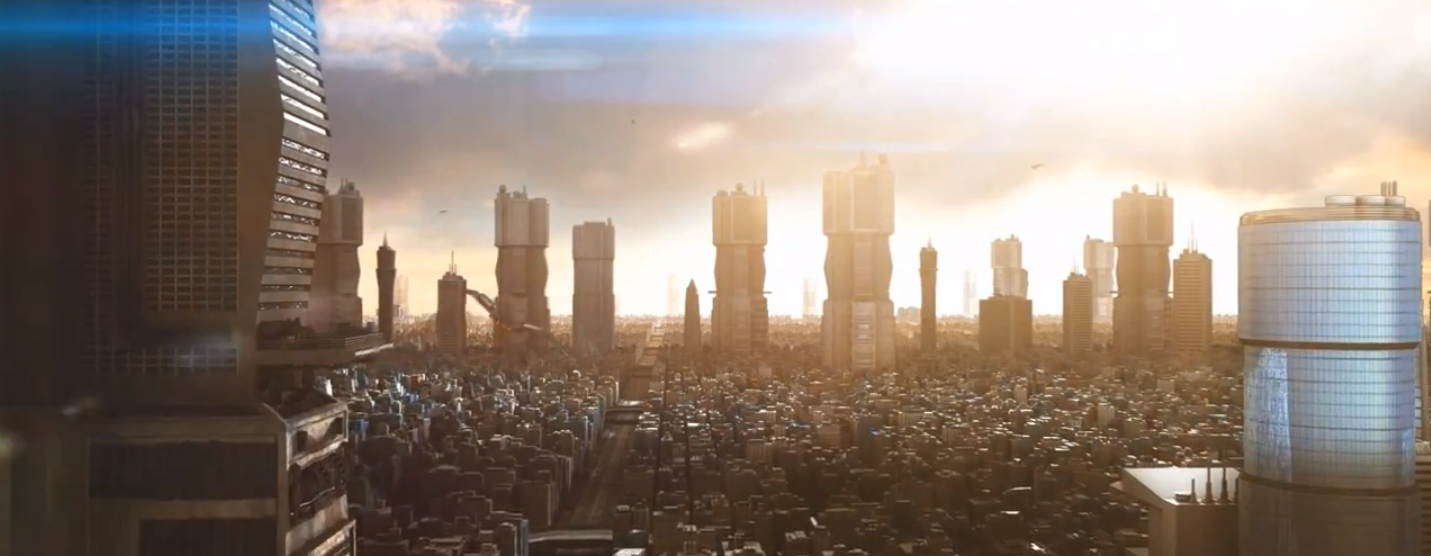
Martin Miroľa has used a mix of the Greeble plugin in 3D Max and After Effects to create an impressive ‘Mega City’,the movie below also includes a breakdown, detailing how it was created:
Nicely made…

Close Menu

About Salient

The Castle
Unit 345
2500 Castle Dr
Manhattan, NY

T: +216 (0)40 3629 4753
E: hello@themenectar.com

Archives